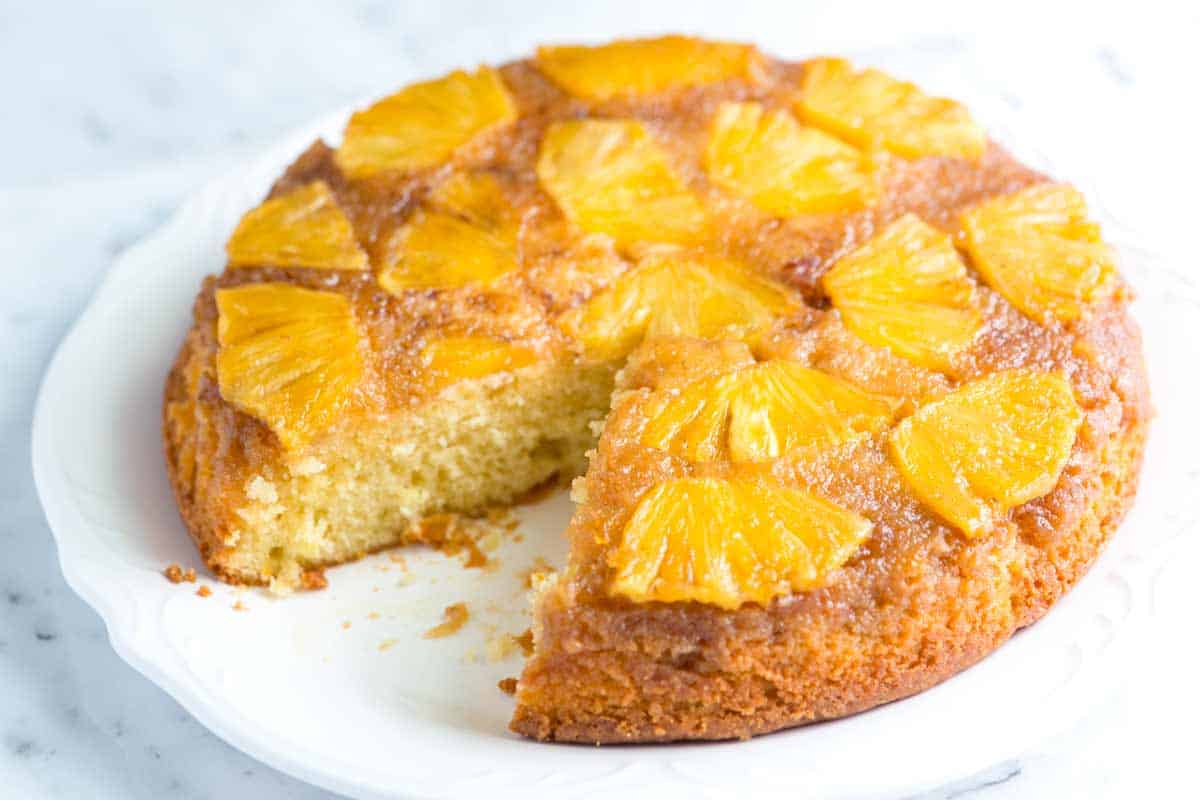
The Secret to Gooey Topping: Unlocking Perfection with a Fresh Pineapple Upside Down Cake Recipe
Imagine a dessert that’s a feast for the eyes and the palate: a golden, caramelized pineapple topping giving way to a wonderfully moist and tender cake, each bite bursting with tropical sweetness. This isn't just a dream; it's the reality of a perfectly executed pineapple upside down cake. But what truly elevates this classic from good to absolutely unforgettable? The secret lies in a few key techniques and, most importantly, the vibrant essence of fresh pineapple. If you're ready to master the ultimate fresh pineapple upside down cake recipe, get ready to discover the magic that transforms simple ingredients into a show-stopping dessert with an irresistibly gooey topping.
The Undeniable Magic of Fresh Pineapple
While canned pineapple has its place for convenience, opting for fresh pineapple is the first, crucial step toward creating a truly superior upside down cake. The difference is profound, impacting both flavor and texture in ways that are simply unparalleled.
Why Fresh Pineapple Reigns Supreme
- Vibrant Flavor Profile: Fresh pineapple offers a brighter, more complex tartness and a nuanced sweetness that canned versions simply can't match. Its natural acidity perfectly balances the richness of the butter and brown sugar, preventing the cake from becoming overly cloying.
- Superior Texture: Fresh pineapple holds its structure better during baking, yielding tender-yet-firm slices that aren't mushy. This creates a delightful textural contrast with the soft cake beneath.
- Natural Juices: As fresh pineapple bakes, it releases its natural juices, which mingle with the butter and brown sugar to form that coveted, luscious, gooey caramel topping. This infusion of pure pineapple essence is hard to replicate with canned varieties.
Choosing and Preparing Your Pineapple
To ensure the best flavor, select a ripe pineapple. Look for one that is firm, heavy for its size, and emits a sweet aroma from its base. The leaves should be green and fresh, and you should be able to pull out a single leaf from the crown with relative ease.
Once you have your perfect pineapple, preparation is simple:
- Slice off the top and bottom.
- Stand it upright and carefully slice away the prickly skin.
- Remove the "eyes" (dark spots) with a small paring knife.
- Core the pineapple using a corer or by cutting around the central core.
- Slice the pineapple into even rings, about ½-inch thick. Consistency in thickness is key for even baking and a beautiful presentation.
Crafting the Irresistible Gooey Topping
The hallmark of an outstanding fresh pineapple upside down cake is undeniably its golden, buttery, and incredibly gooey topping. This isn't just about throwing ingredients into a pan; it's a careful dance of butter, sugar, and fruit juices that caramelize into perfection.
The Foundation: Butter, Brown Sugar, and a Hint of Spice
The magic begins directly in your cake pan. Start by spreading softened unsalted butter generously over the bottom of your pan. This not only prevents sticking but also forms the base of your rich caramel. Next, sprinkle a layer of light or dark brown sugar evenly over the butter. Brown sugar, with its molasses content, lends a deeper, more complex flavor than granulated sugar and contributes significantly to the sticky, gooey texture we're aiming for.
For an extra layer of warmth and complexity, consider adding a touch of cinnamon. While not traditional, a light dusting complements the pineapple beautifully and adds a subtle, inviting aroma as the cake bakes. Some recipes also suggest a spoonful of corn syrup mixed with the butter and brown sugar to help prevent crystallization and enhance the glossy finish, a tip often seen in the Food Network's approach to this classic dessert.
The Pineapple Arrangement
Once your butter and brown sugar base is ready, it's time to artfully arrange your fresh pineapple slices. You can use whole rings or halve them to create an attractive pattern. For added texture and visual appeal, consider pressing toasted almonds around the edges and even in the center, as suggested by some recipes. As the cake bakes, the pineapple releases its natural juices, which meld with the melting butter and brown sugar, simmering and caramelizing into that gorgeous, translucent, and undeniably gooey topping. The goal is a uniform layer that will completely cover the cake once it's inverted.
Secrets to a Perfectly Moist and Tender Cake Batter
Beyond the luscious topping, a truly great fresh pineapple upside down cake boasts a cake layer that is tender, moist, and flavorful, melting in your mouth. The secret to this exquisite texture lies in a few specific ingredient choices and a unique mixing technique.
Key Ingredients for an Unrivaled Crumb
- Butter & Granulated Sugar: Creaming these together until light and fluffy incorporates air, which contributes to a tender crumb.
- The Power of Separated Eggs: This is a game-changer! Unlike many cake recipes that use whole eggs, separating them and adding the yolks early for richness, then gently folding in *unbeaten* egg whites at the very end, controls the aeration. This technique limits the air in the batter, preventing it from rising excessively and overflowing the pan – a common issue with this type of cake. It results in a denser, yet incredibly moist and tender crumb.
- Sour Cream (or Plain Yogurt): A vital ingredient for moisture! Sour cream adds a delightful tang and ensures the cake stays wonderfully moist and tender without being heavy. If you don't have sour cream, plain full-fat yogurt works as an excellent substitute.
- All-Purpose Flour & Baking Powder: Standard baking staples for structure and lift. For dietary needs, a 1:1 gluten-free all-purpose flour blend can be successfully substituted.
- Flavor Enhancers: Vanilla extract is a must, but don't forget a generous amount of lime zest! This addition enhances the tropical notes of the pineapple and adds a bright, refreshing counterpoint to the sweetness. A pinch of salt also helps to balance and deepen all the flavors.
Mastering the Mixing Technique
Using a hand-held or stand mixer, start by creaming together the softened butter, granulated sugar, and lime zest until the mixture is light and fluffy. Beat in the vanilla extract and then the egg yolks one at a time, ensuring each is fully incorporated. In a separate bowl, whisk together your dry ingredients (flour, baking powder, salt). Gradually add the dry ingredients to the wet mixture, alternating with the sour cream, beginning and ending with the dry. Mix until just combined – do not overmix!
The final step is to gently fold in the unbeaten egg whites. This careful integration, rather than vigorous beating, is what truly sets this fresh pineapple upside down cake recipe apart, creating that perfectly balanced rise and melt-in-your-mouth texture.
Your Step-by-Step Guide to Baking Perfection
With your pan prepared and your batter perfected, you're ready to bring your masterpiece to life in the oven.
Assembly and Baking
- Preheat your oven to 350°F (175°C). Ensure your prepared cake pan, with its butter, brown sugar, cinnamon, and pineapple arrangement, is ready.
- Carefully spoon the cake batter over the pineapple slices in the pan. Gently spread it evenly to cover all the fruit. Take care not to disturb the pineapple arrangement too much.
- Bake for approximately 40-50 minutes, or until a wooden skewer or toothpick inserted into the center of the cake comes out clean. The top should be golden brown and spring back lightly when touched.
The Grand Reveal: Cooling and Flipping
This is arguably the most exciting (and nerve-wracking!) part of making a pineapple upside down cake. The timing here is critical for achieving that perfect gooey topping without sticking or making a mess.
- Cool in the pan: Once out of the oven, let the cake cool in the pan for about 10-15 minutes. This allows the hot caramel to set slightly but remain fluid enough to release easily. If you flip it too soon, the caramel might be too runny; too late, and it might harden and stick.
- Invert: Place a serving plate or wire rack (with parchment paper to catch drips) upside down over the cake pan. Using oven mitts, firmly grasp both the pan and the plate/rack and, in one swift motion, flip them over.
- Release: Gently lift the cake pan. If any pineapple or caramel sticks, carefully scrape it out with an offset spatula and place it back onto the cake.
You’ll be greeted by a glistening, caramelized, and undeniably delicious cake, ready to be devoured.
Tips for Success and Creative Variations
Mastering this classic is rewarding, and a few extra tips can guarantee consistent success. Plus, don't shy away from putting your own spin on this delightful dessert!
Ensuring a Flawless Finish
- Grease and Sugar Evenly: Don't skimp on the butter and brown sugar for the topping. An even, generous layer is key for a non-stick release and a truly gooey result.
- Don't Overbake: Overbaking will lead to a dry cake and a potentially overly firm topping. Trust the toothpick test.
- Patience is Key for Flipping: Resist the urge to flip the cake immediately out of the oven. The 10-15 minute cooling period is essential for the caramel to achieve the right consistency for release.
Beyond the Pineapple: Exciting Variations
While the fresh pineapple upside down cake recipe is a star in its own right, the concept lends itself beautifully to creative twists:
- Tropical Infusion: Add a splash of rum or coconut extract to the batter, or sprinkle toasted coconut flakes over the topping before baking for an even more exotic flavor.
- Spice It Up: Experiment with a blend of nutmeg, cardamom, or even a tiny pinch of cayenne for a surprising kick in your topping.
- Nutty Crunch: Besides almonds, consider pecans or walnuts for added texture and richness in the topping.
- Fruit Swaps: The upside-down cake method works wonderfully with other fruits like sliced apples, peaches, or even berries. Just be sure to adjust the sugar content based on the fruit's natural sweetness and moisture.
For more inspiration and specific instructions on achieving different textures and flavors, explore options like a Perfectly Moist Fresh Pineapple Upside Down Cake Recipe or an Easy Fresh Pineapple Upside Down Cake with Tropical Twist.
Embrace the joy of baking and discover the irresistible charm of a homemade fresh pineapple upside down cake recipe. By focusing on fresh ingredients and mastering these simple yet crucial techniques, you're not just baking a cake; you're crafting a memory, a moment of pure, gooey, moist, and tropical delight that will have everyone asking for "the secret" to your incredible dessert.
